

In case you’re new here, here’s the deal: An 85-mile stretch of land in Southeast Louisiana has become known as “Cancer Alley.” Why? It has some of the highest concentrations of toxic chemicals in the country. Cancer rates are 50 times higher than the national average.
More than 200 petrochemical plants and refineries line Cancer Alley, which process a quarter of the entire country’s petrochemical products. And for decades, Black residents have spoken out about how they are hit hardest.
Now, a new lawsuit brought forward by St. James residents argues the parish has been pushing polluting industries into Black communities in a violation of the 13th amendment of the U.S. Constitution.
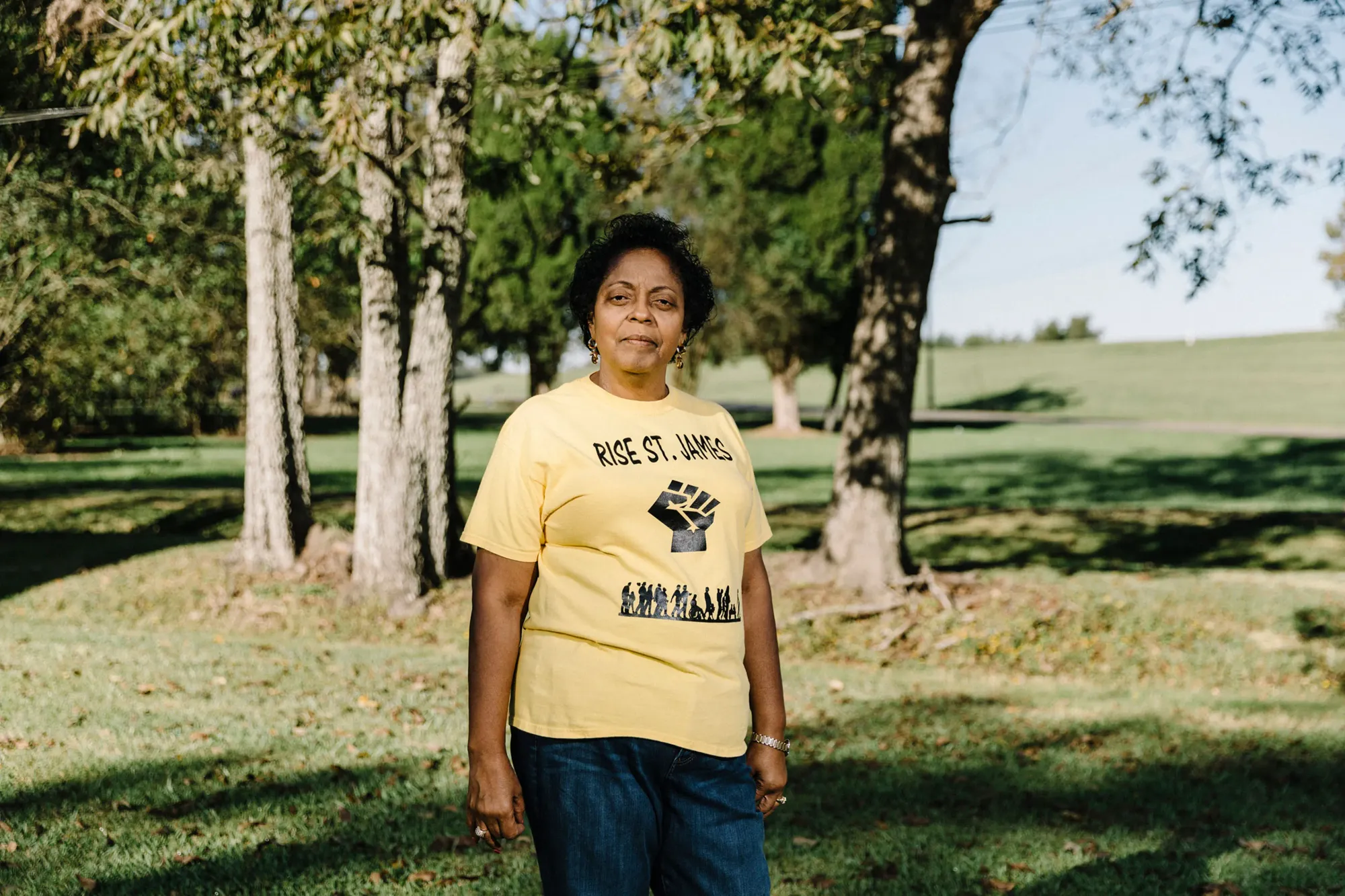
“I’ve been to so many funerals. Sometimes two or three funerals per week,” said Miss Sharon Lavigne, founder of RISE St. James, who we’ve covered extensively for her work organizing against the petrochemical industry in Louisiana. “Why do we have to be sacrificed for these chemical plants to make money?”
In the lawsuit, residents argue the industrial facilities currently polluting their air and water evolved out of slave plantations.
“The Bible tells us to remember history — because what we forget, we repeat,” Barbara Washington, co-director of Inclusive Louisiana, told Desmog. “The same communities once forced to labor this land are now being asked to sacrifice their health for profit.”
St. James Parish officials previously motioned to dismiss the case, but a judge rejected the motion last month. The case could determine whether the court of law recognizes industry development in Cancer Alley as discriminatory — a major decision in the fight against environmental racism.